

frameless beveled bathroom mirror
Safety Check Valves Ensuring Fluid System Integrity In a world where fluid dynamics play a crucial role across various industries, the importance of safety mechanisms such as check valves cannot be overstated. Specifically, safety check valves are integral components designed to prevent the backflow of fluids, ensuring operational safety and equipment integrity in complex systems such as water treatment facilities, chemical processing plants, and oil refineries. What is a Safety Check Valve? A safety check valve is a type of one-way valve that allows fluids to flow in a single direction while preventing backflow. This function is critical in avoiding contamination and ensuring that pressures within a system are maintained at safe levels. The design typically incorporates a spring-loaded mechanism or a gravity-operated disc that returns to a closed position when the flow direction is reversed. The Importance of Safety Check Valves 1. Protection Against Backflow Backflow can lead to significant operational failures, contamination of supply lines, and even catastrophic accidents in severe cases. Safety check valves are crucial in protecting tanks, pipes, pumps, and other equipment from the adverse effects of backflow. 2. System Integrity Maintaining system integrity is paramount in any operation that involves fluid management. The failure of a single component can lead to extensive damage and costly downtime. By installing safety check valves, operators can ensure that critical systems remain intact and function correctly, thereby minimizing risks. 3. Preventing Contamination In many industries, especially healthcare and food processing, contamination can lead to severe consequences, including health risks and financial loss. Safety check valves ensure that fluids can’t flow backward into a clean supply, thus removing the risk of contamination. 4. Pressure Management Safety check valves assist in regulating pressure within a system. A backflow can lead to an increase in pressure that the system may not be designed to handle, risking equipment damage. The check valve provides a fail-safe that helps manage these pressure fluctuations. Applications of Safety Check Valves Safety check valves are widely utilized across various industries safety check valve - Water and Wastewater Treatment In these facilities, check valves help control the flow of treated water and prevent contamination from sewage systems. - Oil and Gas The oil and gas industry depends heavily on check valves to maintain manageable and safe fluid dynamics in pipelines, avoiding leaks and spills that can lead to environmental disasters. - Chemical Processing These valves are essential in preventing unwanted reactions in chemical plants by ensuring that hazardous materials do not backflow into clean sections of the process. - Power Generation In power plants, safety check valves ensure that steam and cooling fluids do not flow backward, which could disrupt the entire energy generation process. Types of Safety Check Valves Several types of safety check valves are commonly used, each designed for specific applications and fluid types. - Swing Check Valves These have a swinging disc that opens and closes based on the flow direction. They are typically used in larger pipe systems. - Lift Check Valves These operate similarly to swing valves but feature a disc that moves up and down with the flow pressure, making them suitable for higher fluid velocities. - Ball Check Valves These use a ball that moves within the valve body to allow flow in one direction while sealing the other. They are often used in smaller pipe systems and when space is limited. Conclusion In summary, safety check valves serve as vital components in various fluid systems, significantly enhancing safety, efficiency, and reliability. By preventing backflow, managing pressure, and ensuring system integrity, these valves play an essential role in protecting both equipment and the environment. As industries continue to innovate and demand rigorous safety standards, the role of safety check valves will only become more critical, emphasizing the need for proper maintenance and selection in all fluid management applications. Investing in quality safety check valves is not just a regulatory requirement; it is a commitment to operational excellence and safety in engineering practices.
about
frameless beveled bathroom mirror
The Importance of Open Water Valves in Modern Infrastructure Water is one of the most essential resources for human survival, playing a crucial role in agricultural, domestic, and industrial applications. As cities grow and technology advances, the management and distribution of water have become increasingly complex. Among the critical components of water management systems are open water valves, which serve as the lifelines to ensure that water flows where it is needed, when it is needed. Open water valves are mechanical devices that regulate the flow of water in pipes and other water distribution systems. These valves can be either manually operated or automated and are found in various settings, including municipal water supply networks, irrigation systems, and industrial processes. Their primary purpose is to control water flow, allowing for the distribution of this vital resource to various areas. One of the primary advantages of open water valves is their ability to facilitate efficient water management. In urban environments, municipalities face the challenge of providing clean and reliable water to thousands, if not millions, of residents. Open valves enable efficient distribution, preventing wastage and ensuring that every household receives its fair share of water. Moreover, they allow for quick adjustments in response to fluctuating demand, whether it be due to seasonal changes, population growth, or infrastructure developments. In agricultural settings, open water valves are instrumental in optimizing irrigation practices. Farmers often rely on controlled water delivery to their crops, as excess or insufficient water can drastically affect yield . By utilizing open valves, farmers can regulate the flow of water to different sections of their land, ensuring that every plant receives adequate hydration without overwatering. This not only conserves water but also promotes healthier crops and sustainable farming practices. open water valve Automation has revolutionized the functionality of open water valves in recent years. Smart water management systems use sensors and real-time data analytics to monitor water flow, pressure, and quality. Automated valves can respond to changes in demand inadvertently, adjusting flow rates and conserving resources. These technological advancements have led to improved efficiency and reduced operational costs for water utilities while minimizing the risk of leaks and water loss. However, the open water valve system is not without its challenges. Regular maintenance is crucial to ensure that these valves function correctly. A neglected valve can lead to leaks, reduced water pressure, and even contamination of the water supply. Municipalities and utilities must invest in routine inspections and repairs to maintain the integrity of their water distribution systems. Additionally, natural disasters such as floods or earthquakes can severely impact the functionality of open water valves, leading to catastrophic water loss or destruction of essential infrastructure. Public awareness and education are also vital components in supporting the management of open water valves. Communities can play a proactive role by reporting leaks, understanding water conservation practices, and participating in local water management initiatives. By encouraging residents to engage with their water supply systems actively, municipalities can foster a culture of responsibility and sustainability. In conclusion, open water valves are essential elements in the effective management of water resources. They provide a mechanism for controlling flow, ensuring equitable water distribution in urban and agricultural settings, while technological advancements promise enhanced efficiency through automation. However, ongoing maintenance, community engagement, and education are vital to addressing the challenges associated with these critical components of our water infrastructure. As we continue to navigate a future where water scarcity becomes an increasing concern, the role of open water valves will undoubtedly be integral to our strategies for sustainable water management.
-

High quality industrial productsagement

High quality industrial products
View Details -

Meet the diverse needs of customers

Meet the diverse needs of customers
View Details -

Strict quality control

Strict quality control
View Details -

Top raw materials

Top raw materials
View Details -

Trusted supplier

Trusted supplier
View Details
Our application


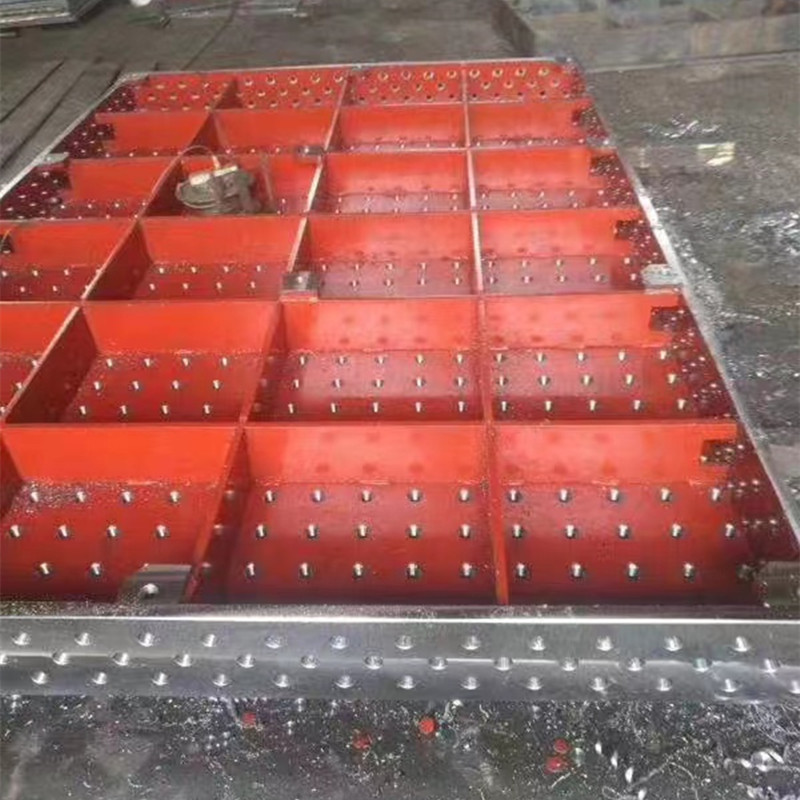

news and information
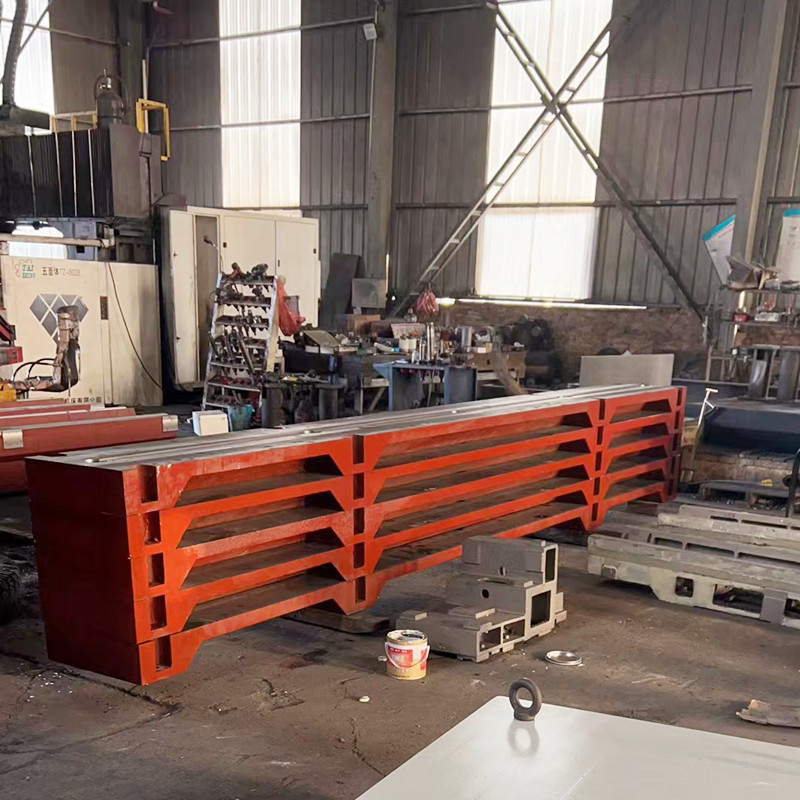
vibration pads
Understanding Vibration Pads A Comprehensive Guide In today’s fast-paced world, where machinery and

welding table price
Understanding Welding Table Prices A Comprehensive Guide Welding is a vital process in various indus

Vibration Dampening Pads for Industrial Machinery and Equipment in Heavy Applications
Vibration Damping Pads for Heavy Machinery An Essential Component for Performance and Longevity In t
 English